25 October | 19:30 – Jewish State Theatre
26 October | 19:30 – Jewish State Theatre

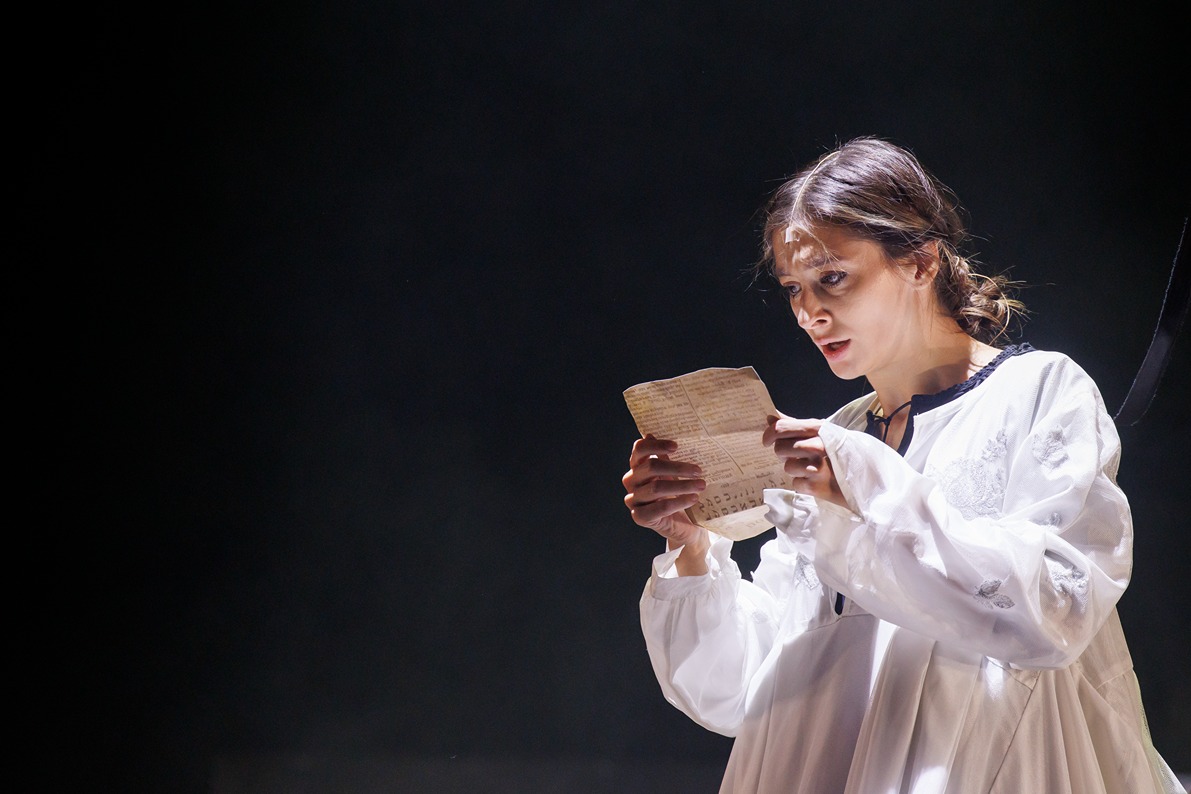
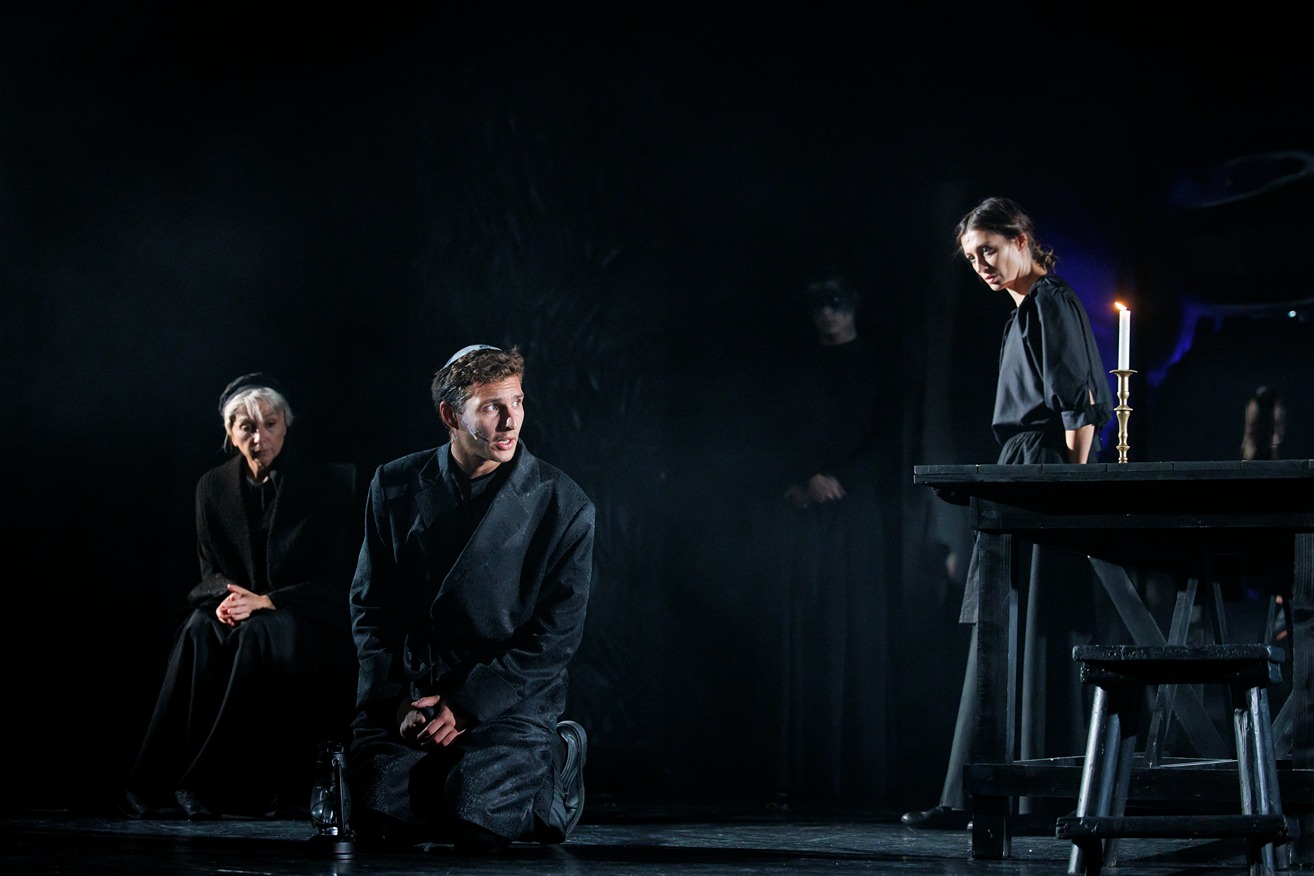
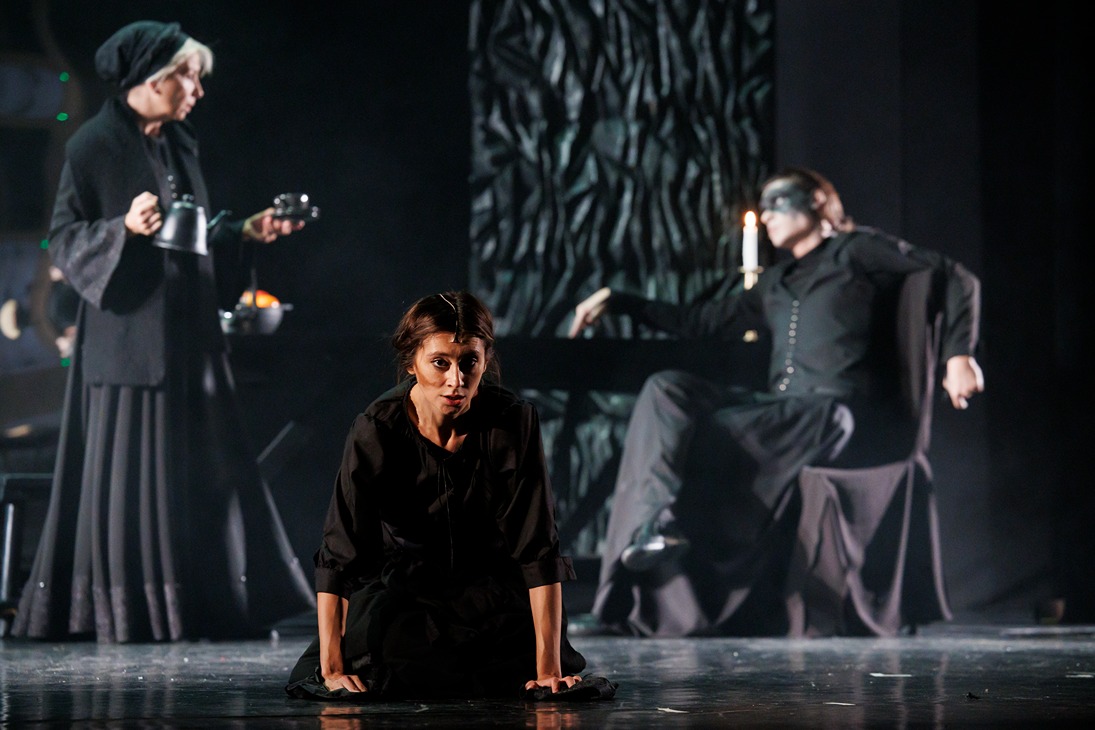
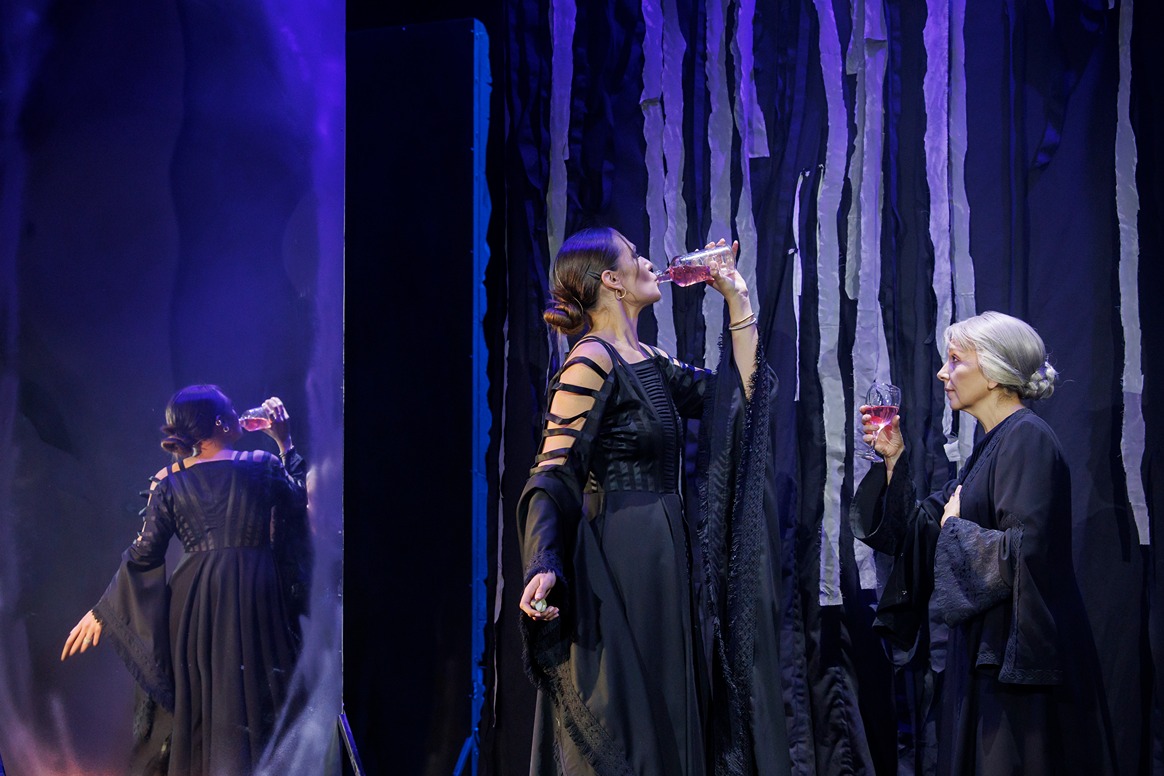
Through the story of a 17th-century Sephardic rabbi, Martin Sherman examines religious fanaticism and obsessive orthodoxy through the eyes of the intelligent Rachel, and asks how the martyrs of history can find salvation when it seems that God is dead.
By: Martin Sherman
Translated by: Lorena Luchian, Alexandru Panait and Andrei Măjeri
Cast:
Rahela: Lorena Luchian
Tanta Rose: Geni Brenda Vexler
Reb Ellis: Neculai Predica
Asher: Alex Iezdimir
Rebbeca: Viorica Predica
Sarah: Ana Bumbac / Cabiria Morgenstern
The Spirit: Vlad Corb
Politiki Lyra: Feras Sarmini
Adapted and directed by: Andrei Măjeri
Set design: Irina Chirilă
Stage movement: Daniel Dragomir
Original music: Sephardic Folklore
Light design: Andrei Ignat, Andrei Măjeri
Produced by: Jewish State Theatre
Recommended age: 14+
Duration: 1h 50min (no interval)
In Romanian with English surtitles
Martin Sherman is an American playwright and screenwriter, known for his 20 plays that have been performed in over 60 countries. He became famous in 1979 with the play ”Bent”, which explores the persecution of homosexuals during the Holocaust. It was presented on Broadway, was nominated for a Tony Award for Best Play, and won the Dramatists Guild’s Hull-Warriner Award.
The play “Messiah,” which premiered in 1982 at the Hampstead Theatre in London, “addresses the Jewish dilemma with humanity and humor” – Standard. In the 17th century, in the Polish village of Yultishk, located on the border with Ukraine, the Jewish community decimated by Cossack attacks finds hope in Shabbatay Zevi, a mysterious rabbi from Asia Minor, unanimously considered the Messiah. Through the story of a 17th-century Sephardic rabbi, Martin Sherman examines religious fanaticism and obsessive orthodoxy through the eyes of the intelligent Rachel, and asks how the martyrs of history can find salvation when it seems that God is dead. Rachel constantly turns to God. But as the Jewish hope collapses into a cruel mirage, she bitterly denies God, only to realize that, while denying his existence, God is still speaking to her. Rachel declares that the true Messiah is “within us” and that it is up to the Jews to save themselves.
Photos: Andrei Gîndac